Department Info
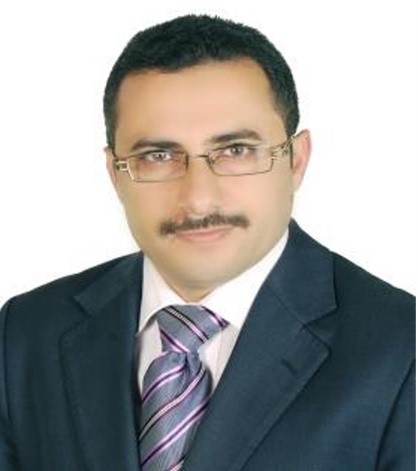
Head of Department
Professor Dr. Nabil Mohammed Yahya Mogalli
About Emergency Medicine Department.
Fourth: Department of Emergency Medicine – College of Medicine and Health Sciences – Hajjah University
Department Head's Message:
In the Name of Allah, the Most Gracious, the Most Merciful
I am pleased to welcome you to the Department of Emergency Medicine at Hajjah University, one of the most vital departments in the College of Medicine and Health Sciences, which represents the first line of defense in the healthcare system and the fundamental pillar for saving lives and preparing medical professionals capable of handling critical and emergency cases with competence and proficiency.
The department dedicates its efforts to providing distinguished medical education that keeps pace with the rapid global developments in the fields of emergency medicine, intensive care, and crisis and disaster management. The department relies on solid scientific foundations that combine theoretical knowledge and intensive clinical training. We aim to produce specialized medical professionals who possess quick thinking, diagnostic precision, and high-level lifesaving skills under various circumstances, to be effective partners in the healthcare system, capable of providing immediate care for accident cases, poisoning, and acute diseases, including intractable infectious and parasitic diseases that require urgent intervention.
The department also strives to stimulate scientific research in the fields of emergency medicine, trauma, toxicology, and acute parasitic and epidemic diseases, and works to build scientific and practical partnerships with hospitals, relief centers, and research institutions inside and outside Yemen, thereby enhancing medical response capabilities and raising the university's standing in the scientific and health arenas.
May Allah grant us success.
Professor Dr. Nabil Mohammed Yahya Mogalli
Associate Professor of Parasitology
Head of the Department of Emergency Medicine
Department Vision:
To be a leading national model in clinical medical education and scientific research, and an accredited center for qualifying specialized medical professionals in emergency and paramedic medicine who contribute to saving lives and elevating the level of critical healthcare locally and regionally.
Department Mission:
To provide comprehensive medical education in the field of emergency medicine based on quality, speed, and innovation, and to prepare graduates who are scientifically and skill-wise qualified, possessing the ability to make critical decisions under pressure, committed to professional ethics, to provide urgent and effective medical care, participate in scientific research, and support sustainable health response.
Department Objectives:
• Preparing competent medical and paramedic professionals equipped with the knowledge and skills necessary to handle life-threatening situations at a high level of professionalism.
• Developing academic and training programs to keep pace with the latest international protocols in resuscitation and emergency medicine.
• Supporting scientific research in the fields of emergency medicine, disaster management, clinical toxicology, and acute epidemics and parasitic diseases.
• Contributing to the development of emergency departments in hospitals and improving ambulance and pre-hospital care services in the community.
• Establishing scientific and professional partnerships with hospitals, disaster centers, and local and international health organizations.
• Enhancing community service through promoting a culture of first aid and emergency response programs.
Academic Programs:
The department offers a Bachelor of Emergency Medicine (Paramedics and Emergency) program based on a comprehensive study plan that combines basic medical sciences, advanced clinical skills, and practical applications. The program provides intensive field training in hospital emergency departments, ambulances, and intensive care units, ensuring the preparation of graduates ready for immediate handling of accidents, injuries, and various health crises.
Career Opportunities for Graduates:
• Emergency and accident departments in government and private hospitals.
• Ambulance services and emergency medical care services (pre-hospital).
• Crisis and disaster management centers and field medicine.
• Intensive Care Units (ICU) and cardiac care units.
• Local and international health and relief organizations.
• Academic work and clinical training at universities and health centers.
Scientific Research and Community Service:
The Department of Emergency Medicine pays great attention to applied scientific research in the fields of cardiopulmonary resuscitation, shock and injury management, toxicology, and tropical emergency medicine (including acute complications of parasitic diseases). The department also contributes to community service by organizing training courses for the public in first aid and basic resuscitation, and implementing awareness campaigns to raise the community's readiness to deal with emergency situations.
Department Values:
• Speed and precision in response and lifesaving.
• Academic and clinical excellence.
• Professional and ethical integrity under pressure.
• Innovation and continuous development of treatment protocols.
• Community service and national readiness.
• Working as one team with integrated coordination.